The climate crisis. Plummeting biodiversity. Pollution. Inequality and corporate power. Caste and class oppression. War and resource competition. Deforestation, dead zones, and overshoot.
Our world is in crisis. We need change. And no one is coming to save us but us. It is here, rather than in techno-fixes, that hope lies.
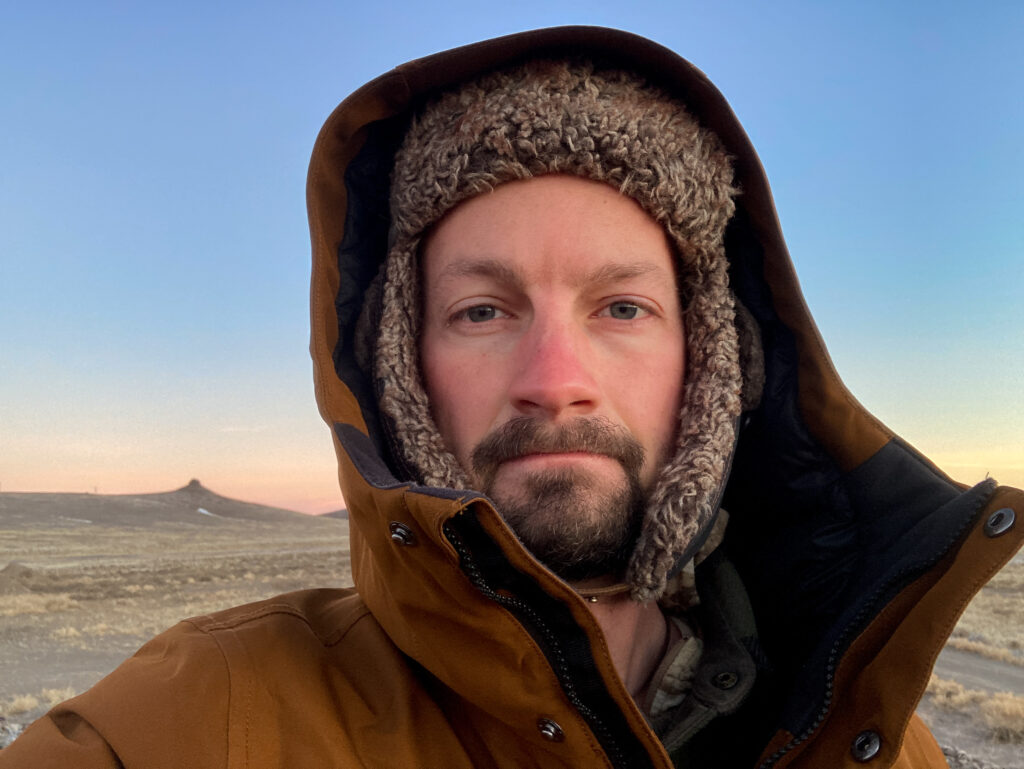
My name is Max Wilbert. My father and mother raised me to fight for justice, a tradition which goes back generations in my family.
This has taken me to the Siberian Arctic with climate scientists, to fossil fuel blockades in Canada and the United States, to solidarity work with environmentalists in the Philippines, and to the front lines of greenwashing at Thacker Pass.
Between dramatic periods of confrontation, most of my work is quiet: organizing, educating, writing, speaking, and using multimedia for storytelling. I’m currently studying for a Masters Degree in Degrowth.
In 2021, my most recent book (Bright Green Lies: How the Environmental Movement Lost Its Way and What We Can Do About It) was published.
The book makes the case that solar and wind energy, electric cars, efficiency programs, and green cities are failing to protect the planet, because in large part these technologies are designed to protect empire from the effects of peak oil and ecological collapse. Rather than sustaining the natural world, these techno-fixes are designed to sustain industrial civilization — the way of life that is killing the planet.
Dr. Vandana Shiva called it “a much needed wake-up call” and Planet of the Humans director Jeff Gibbs has said “is a must read for all who cherish life on Earth.”
The work I do has been featured, begrudgingly, in mainstream media like The New York Times, The Guardian, CNN, NPR, CBC, The Globe & Mail, as well as on movement platforms such as Mongabay, Earth Island Journal, Resilience, KPFA, Last Real Indians, Counterpunch, First Voices Radio, and elsewhere.
I believe in the power of organization, which is why I am part of several grassroots political movements, including the Community Environmental Legal Defense Fund, Fertile Ground Conservancy, and Protect Thacker Pass, where I co-founded a land defense camp that held off a major mining corporation for several years.
What is Biocentrism?
Biocentrism (from Greek βίος bios, “life” and κέντρον kentron, “center”) is an ethical, philosophical, and spiritual framework based on reverence and humility in the face of the unfolding miracle of life.
It is rooted in the idea that all living beings have value, and even “inanimate” forms like land, mountains, and rivers have their own integrity that should be respected.
In a biocentric worldview, nature does not exist simply to be used or consumed by humans. The world is not “for us.” Instead, we are one species amongst many others. As Standing Rock Sioux scholar and activist Vine Deloria Jr. said:
“Life is not a predatory jungle, ‘red in tooth and claw,’ as Westerners like to pretend, but is better understood as a symphony of mutual respect in which each player has a specific part to play. So far as humans are concerned, because we came last, we are the younger brothers’ of the other life-forms, and therefore have to learn everything from these other creatures.”
In focusing on inter-dependence, biocentrism stands in contrast to anthropocentrism, which sees human beings as more important and superior to other life, and ethically central to the universe.
Practically, biocentrism leads to a total rethinking of the relationship between humans and nature and calls for us to relate to other life as relatives — quite literally as kin, members of the same family. Thousands of cultures around the world and throughout human history have practiced various forms of biocentrism.
Defending the land and advocating for foundational social change is not radical in the sense of “extreme.” It’s actually the only reasonable choice. All my work is an attempt to mainstream biocentric ideas, normalize resistance strategies, and support frontline resistance and resilience.
Challenging the status quo will always be dangerous. I’ve faced smear campaigns, been detained, and been fined tens of thousands of dollars by the Federal Government for organizing protest camps. The FBI showed up at my front door. I’ve been subject to physical violence and death threats, and I’m being sued by a multi-billion dollar mining corporation.
I publish on Substack about once a week. Almost all the content I share is free and available to everyone who subscribes. But this is a reader-supported publication, meaning your financial support makes it possible for me to continue this work. Because of the choice I’ve made to prioritize activism over work, I’m poor. Every paid subscriber makes a substantial difference to my ability to pay my rent, buy food, and continue organizing.
Paid subscribers also get access to occasional behind-the-scenes material like works-in-progress, photographs from my life, and more. If you want to support what I’m doing, you can also buy my book on my website.
Thank you.